Core Principles
Our Six Core Principles: Guiding the Way at Witham Prospect
At Witham Prospect, we believe in a holistic approach to education that fosters growth in all areas of a child's life. Our six core principles underpin everything we do, ensuring that our children and young people receive a well-rounded and supportive education.
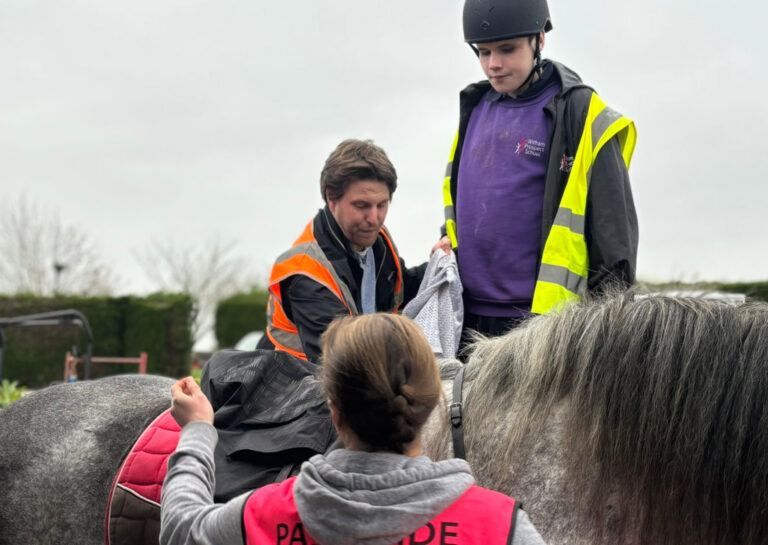
We foster a culture of open communication and interaction, both within our school community and beyond. Our children and young people learn to express themselves effectively, listen attentively, and build strong relationships with their peers and staff.
Communication and Interaction
At Witham Prospect, we believe that effective communication and interaction is essential for fostering a supportive and inclusive learning environment. Our core principle of communication and interaction guides everything we do, from our teaching methods to our extracurricular activities...
Key Elements of Our Approach
- Creating a Culture of Open Communication: We encourage open dialogue and active listening among children and young people, staff, and families. We believe that strong communication is the foundation for building positive relationships and fostering a sense of belonging.
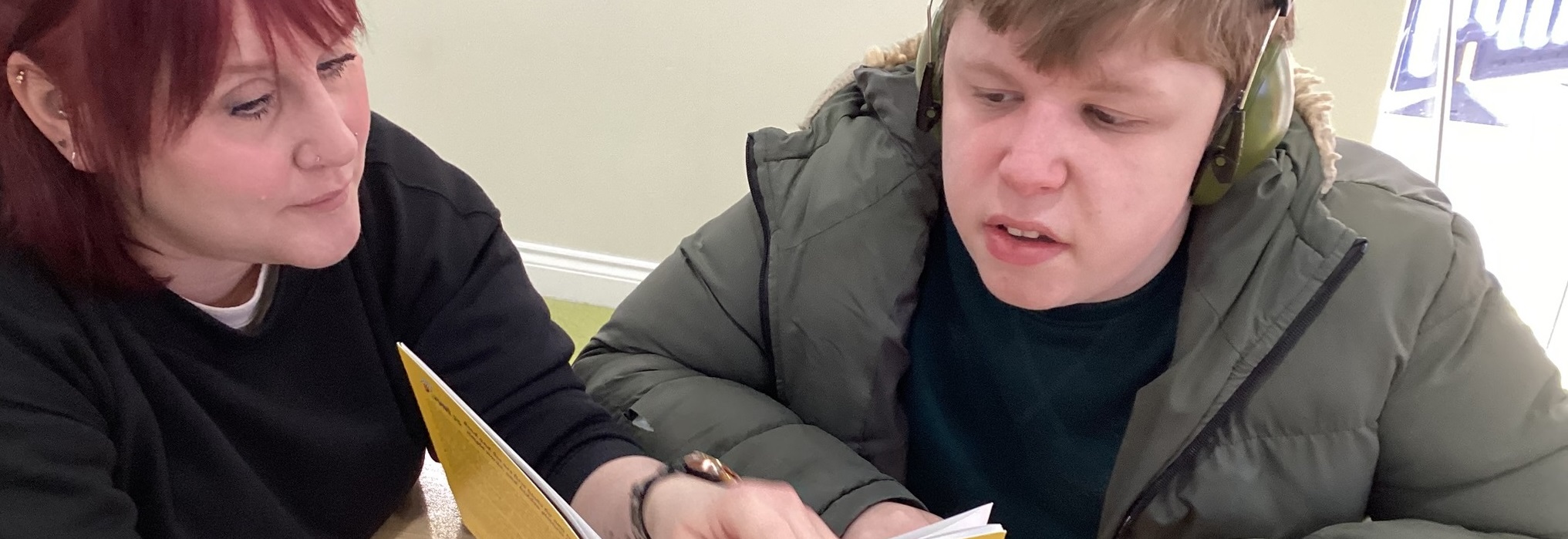
- Developing Effective Communication Skills: Our programs and activities focus on teaching children and young people essential communication skills, such as expressing their thoughts and ideas clearly, listening attentively, and responding appropriately to others.
- Encouraging Social Interaction: We provide opportunities for children and young people to interact with their peers and build strong friendships. This helps them develop social skills, learn to collaborate, and understand different perspectives.
- Supporting children and young people with Communication Difficulties: For children and young people who may have difficulty communicating, we provide specialised support and resources to help them express themselves effectively.
The Benefits of Strong Communication and Interaction Skills
- Improved Academic Performance: Effective communication is essential for learning and understanding. Children and young people who can communicate their needs and ideas clearly are more likely to succeed academically.
- Enhanced Social Skills: Strong communication and interaction skills help children and young people develop positive relationships with their peers and adults.
- Increased Confidence: Building confidence in communication can lead to a greater sense of self-worth and self-esteem.
- Better Mental Health: Strong social connections and effective communication are essential for mental health and well-being.
- Life Skills Development: Effective communication and interaction skills are vital life skills that extend beyond the school environment. They are essential for finding employment, maintaining healthy relationships, and participating fully in society.
- Independence: Strong communication skills empower children and young people to advocate for their own needs and make their voices heard. This is crucial for developing independence and self-reliance.
- Future Success: In today's interconnected world, strong communication and interaction skills are highly valued in the workplace and in higher education.
By focusing on communication and interaction, we are creating a supportive and inclusive environment where our children and young people can thrive academically, socially, and emotionally.

Self-Regulation and Awareness of Self
At Witham Prospect, we believe that self-regulation and awareness of self are essential life skills that help our children and young people navigate the challenges and opportunities of life. Our programs and activities are designed to foster these important qualities and support children and young people in developing emotional intelligence.
Key Elements of Our Approach
- Emotional Literacy: We teach children and young people to identify and express their emotions in a healthy way. This helps them understand their own feelings and the feelings of others.
- Mindfulness and Relaxation Techniques: We introduce mindfulness and relaxation techniques to help children and young people manage stress, anxiety, and other emotions.
- Problem-Solving Skills: We teach children and young people problem-solving strategies to help them cope with challenges and make informed decisions.
- Goal Setting and Self-Evaluation: We encourage children and young people to set goals, monitor their progress, and evaluate their own performance.
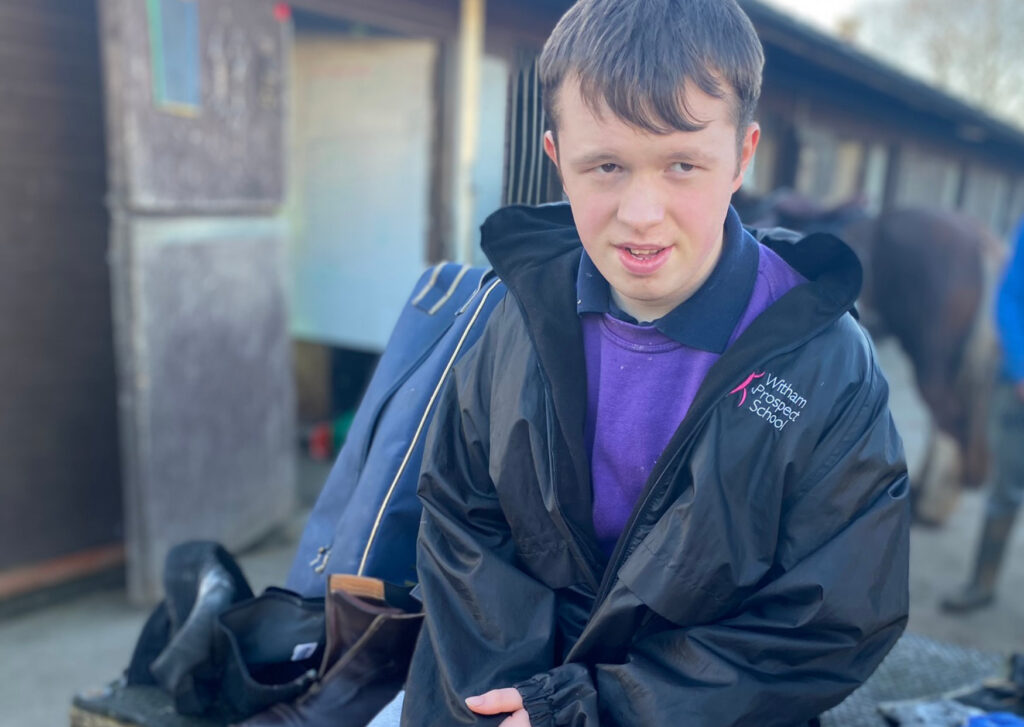
- Access to Different Areas/Resources: We provide children and young people with access to various calming spaces and sensory resources within the school environment. These spaces can include quiet rooms, sensory rooms, outdoor spaces, or designated areas with calming sensory materials.
- Individualised Approach: We recognise that each child and young person is unique and requires a personalised approach. We tailor our support to the individual needs and preferences of each child and young person.
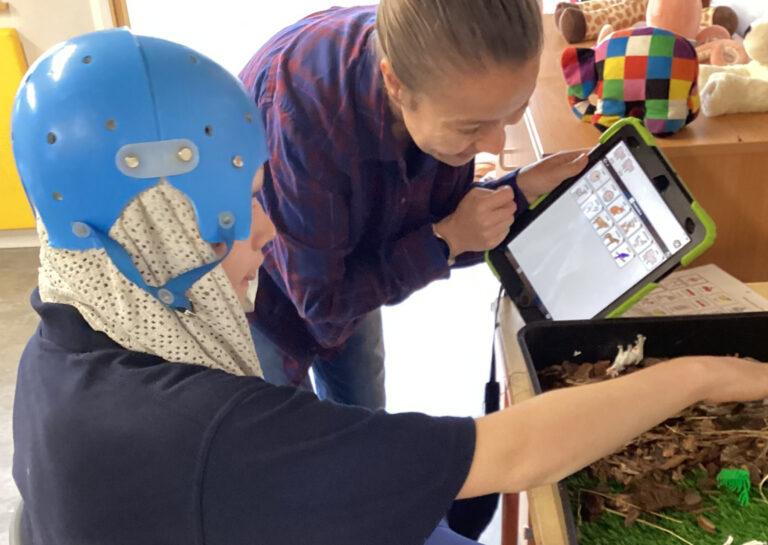
We believe that self-awareness and self-regulation are essential life skills. Our programs help children and young people develop an understanding of their own emotions, thoughts, and behaviours, enabling them to manage their feelings and make informed choices.
The Benefits of Self-Regulation and Awareness of Self
- Improved Mental Health: Developing self-regulation and awareness of self can help children and young people manage stress, anxiety, and other emotional challenges.
- Enhanced Relationships: Understanding their own emotions and the emotions of others can help children and young people build stronger relationships with their peers and adults.
- Increased Academic Success: Self-regulation and awareness of self are essential for effective learning and academic achievement.
- Greater Confidence: Developing self-awareness and self-esteem can boost children and young people's confidence and belief in their abilities.
By focusing on self-regulation and awareness of self, we are equipping our children and young people with the tools they need to navigate life's challenges and thrive.

PSHE (Personal, Social, Health, and Economic Education)
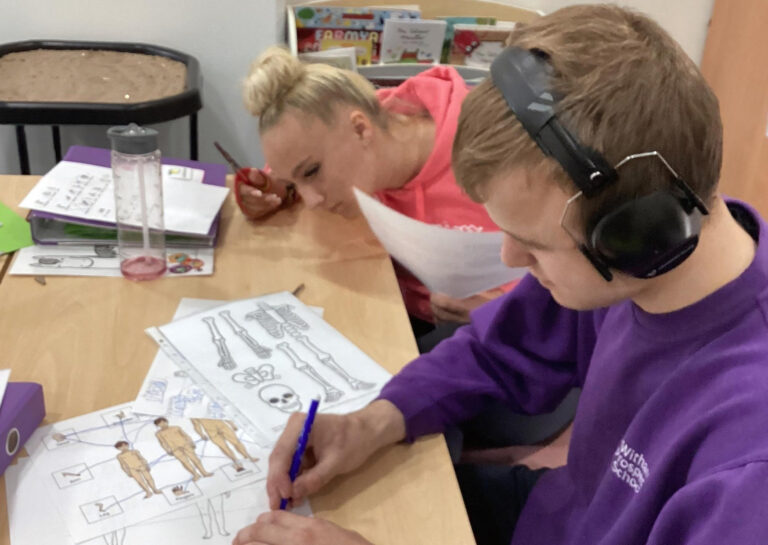
PSHE plays a vital role in our curriculum. We equip our children and young people with the knowledge and skills they need to understand themselves, their relationships, and the world around them. Topics covered include health and well-being, relationships, careers, and citizenship.
PSHE (Personal, Social, Health, and Education)
Personal, Social, Health, and Economic Education (PSHE) is a vital part of our curriculum at Witham Prospect. We believe that PSHE is essential for helping our children and young people develop the knowledge, skills, and attitudes they need to succeed in life.
Key Areas of Focus
- Health and Well-being: We promote healthy lifestyles, including physical activity, nutrition, and mental health. We also provide information on sexual health and relationships.
- Relationships: We teach children and young people about different types of relationships, including family, friends, and romantic relationships. We also help them develop healthy communication and conflict resolution skills.
- Careers: We prepare children and young people for the world of work by teaching them about different career paths, job skills, and the importance of lifelong learning.
- Citizenship: We encourage children and young people to be active and responsible citizens by teaching them about their rights and responsibilities, and the importance of contributing to their community.
- eSafety: We educate children and young people about online safety risks, including cyberbullying, online grooming, and the dangers of sharing personal information online.
- Relationships and Sex Education (RSE): We provide age-appropriate and inclusive RSE education, covering topics such as puberty, consent, healthy relationships, and different family structures.
- RSE: We offer resources for parents on how to discuss these topics with their children and provide support at home.
Our Approach to PSHE
We believe that PSHE should be integrated into all aspects of school life. Our approach to PSHE is based on the following principles:
- Relevance: We ensure that our PSHE curriculum is relevant to the lives of our children and young people and helps them understand the world around them.
- Experiential Learning: We use a variety of teaching methods, including role-playing, group discussions, and case studies, to help children and young people apply their knowledge and skills to real-life situations.
- Personal Development: We focus on helping children and young people develop their self-awareness, self-esteem, and emotional intelligence.
- Collaboration: We encourage collaboration between child and young person, staff, and families to create a supportive and inclusive learning environment.
By providing a comprehensive PSHE education, we are equipping our children and young people with the knowledge and skills they need to make informed choices, build healthy relationships, and lead successful lives.
Physical Development
Physical development is an essential part of a child's overall well-being. At Witham Prospect, we recognize the importance of physical activity and have designed our programs to promote healthy lifestyles and develop physical skills.
Our Approach to Physical Development
- Variety of Activities: We offer a wide range of sports and physical activities to cater to different interests and abilities.
- Qualified Staff: Our physical education staff are highly qualified and experienced in providing safe and effective instruction.
- Inclusive Environment: We create an inclusive environment where all children and young people feel welcome and supported to participate in physical activities.
- Focus on Fundamental Skills: We emphasise the development of fundamental movement skills, such as running, jumping, throwing, and catching.
- Link to Academic Learning: We integrate physical activity into our curriculum to enhance learning and cognitive development.
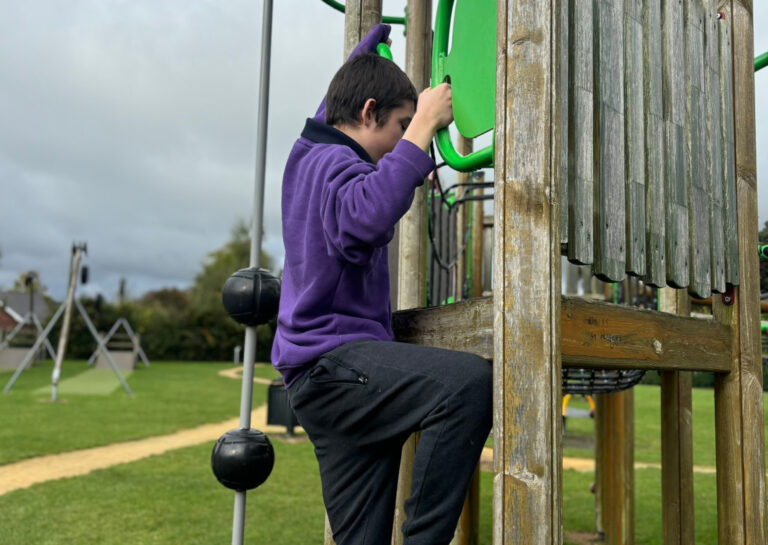
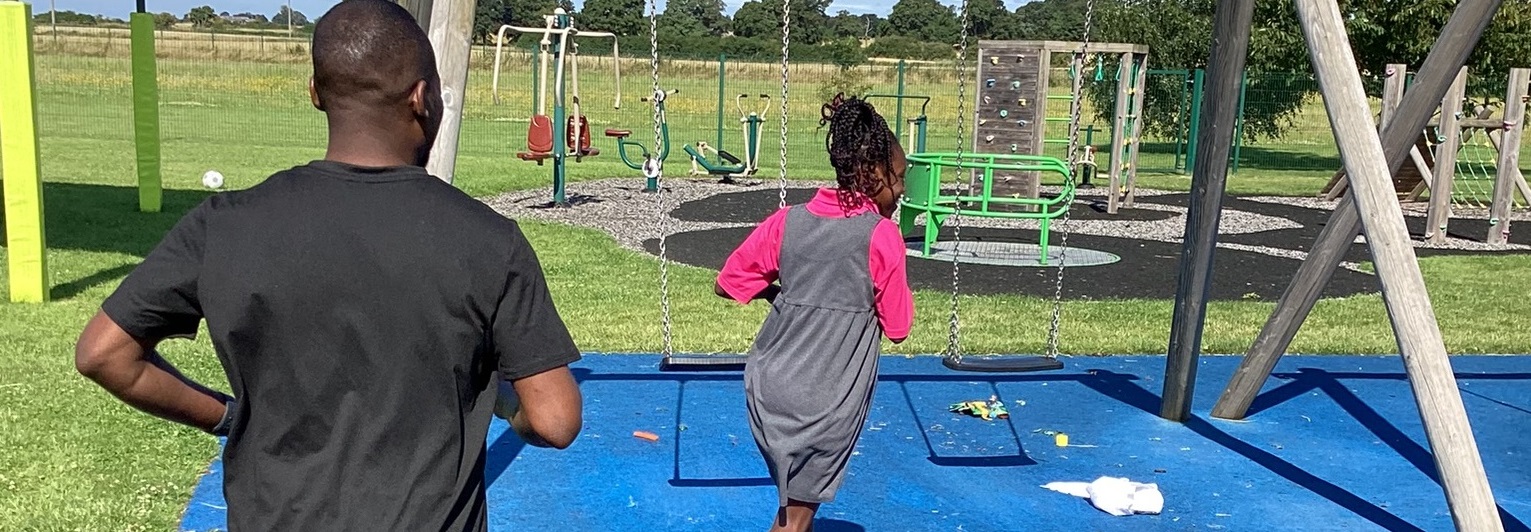
We recognise the importance of physical activity for overall health and well-being. Our programs promote physical development through a variety of activities, including sports, dance, and outdoor play.

Benefits of Physical Development
- Improved Health: Regular physical activity can help prevent chronic diseases, improve cardiovascular health, and boost the immune system.
- Enhanced Cognitive Function: Physical activity has been shown to improve brain function and cognitive development.
- Social and Emotional Benefits: Participating in sports and physical activities can help children and young people develop social skills, build self-esteem, and reduce stress.
- Preparation for Life: Physical activity is an important part of a healthy and active lifestyle, and it can help children and young people develop the skills they need to succeed in life.
By prioritizing physical development, we are helping our children and young people to lay a strong foundation for a healthy and active future.
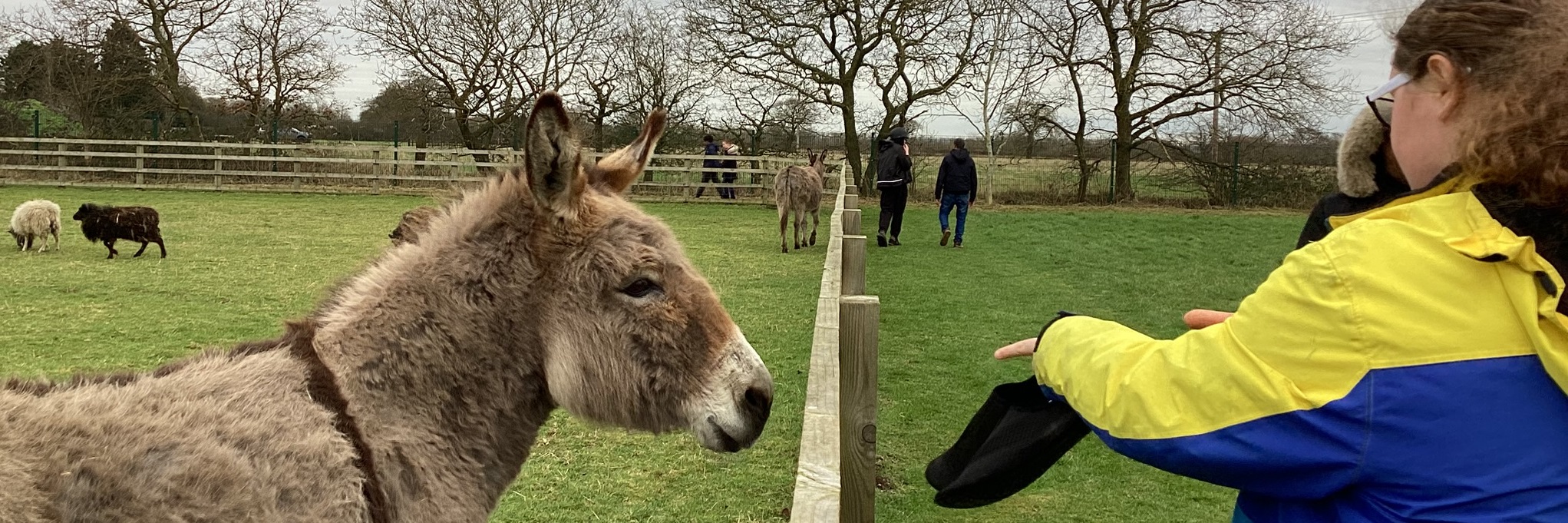
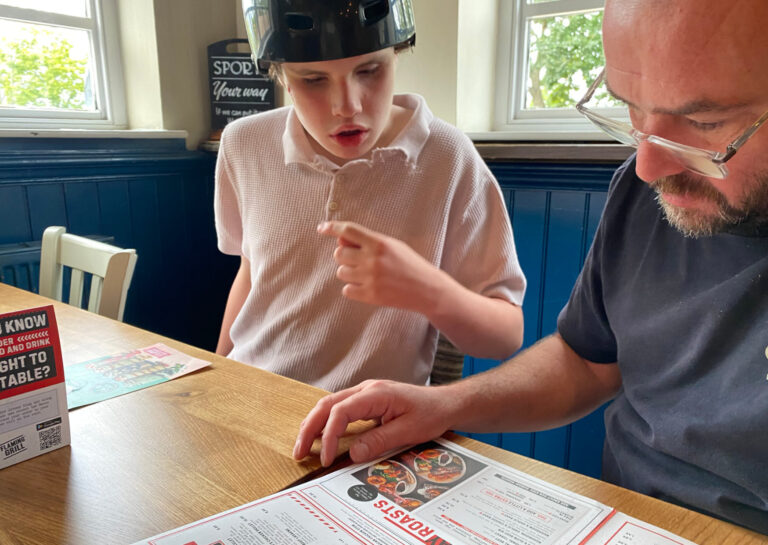
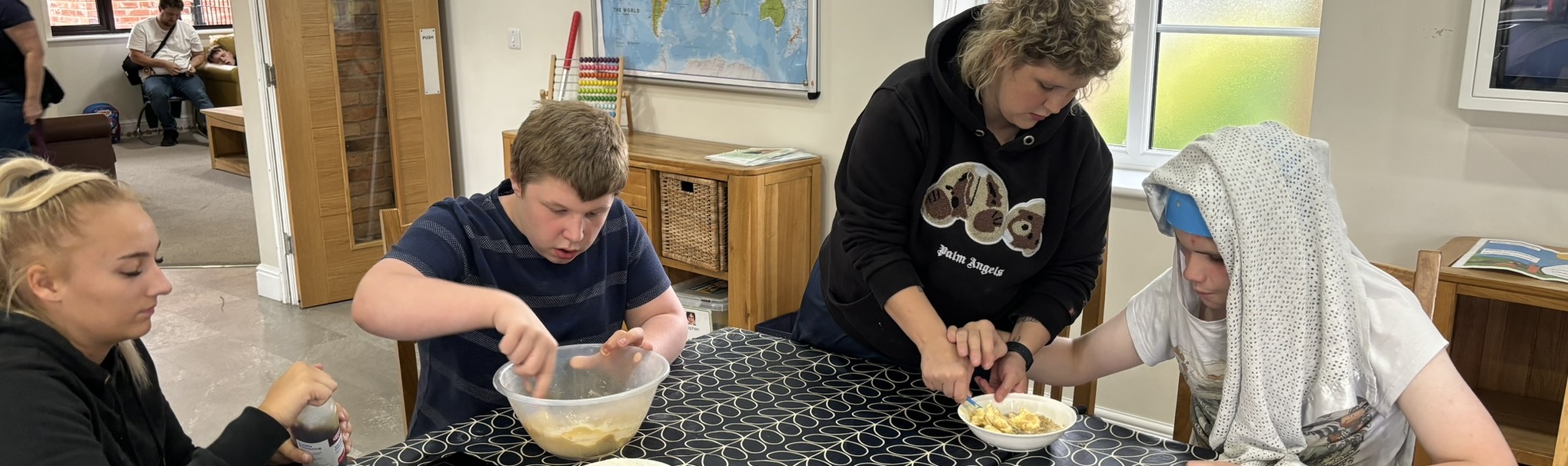
We strive to empower our children and young people to become independent and responsible individuals. Our programs focus on developing essential life skills, such as cooking, budgeting, and problem-solving, to prepare them for a successful future.
Independence and Preparation for Adulthood
At Witham Prospect, we believe that preparing our children and young people for a successful transition to adulthood is a key part of our educational mission. Our programs are designed to foster independence, develop essential life skills, and equip children and young people with the knowledge and confidence they need to thrive in the real world.
Key Areas of Focus
- Independent Living Skills: We teach children and young people practical skills such as cooking, budgeting, cleaning, and personal care.
- Problem-Solving and Decision-Making: We help children and young people develop the ability to solve problems, make informed decisions, and think critically.
- Time Management and Organisation: We teach children and young people effective time management and organisational skills to help them manage their daily tasks and responsibilities.
- Career Development: We provide guidance and support to help children and young people explore career options, develop job skills, and prepare for the workforce.
- Transition Planning: We work closely with children and young people and their families to develop individualised transition plans that address their specific needs and goals.
Our Approach to Independence and Preparation for Adulthood
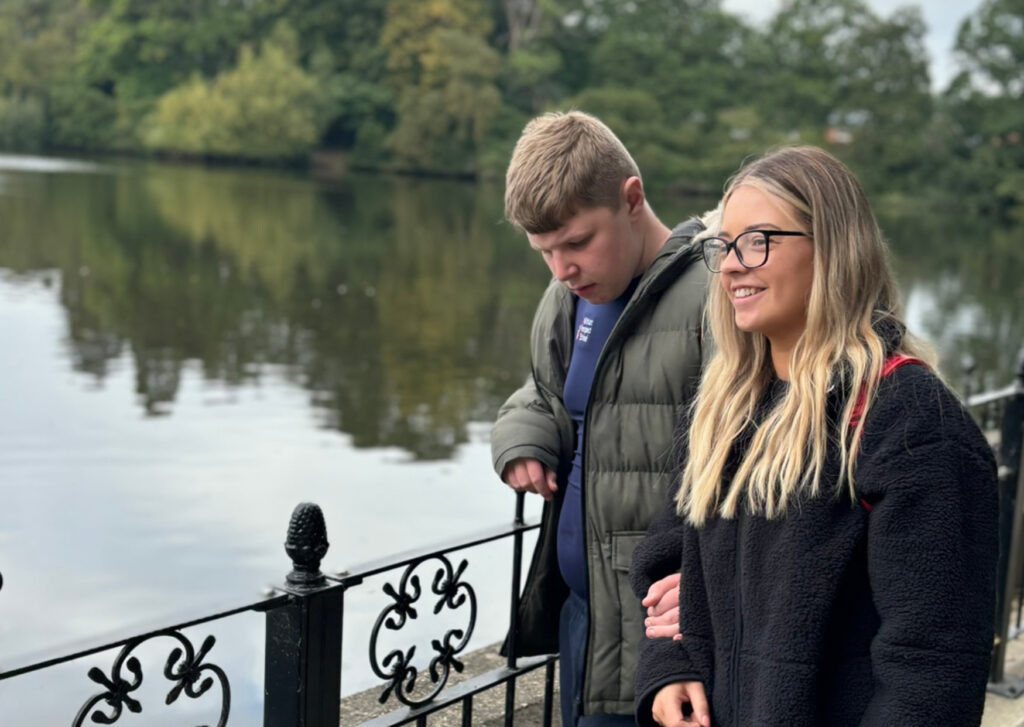
- Real-World Experiences: We provide opportunities for children and young people to experience real-world situations, such as volunteering, part-time jobs, and community involvement.
- Supported Living: We offer a range of supported living options to help children and young people transition to independent living.
- Collaboration with External Agencies: We work closely with local agencies and organisations to provide children and young people with the support they need to succeed.
By focusing on independence and preparation for adulthood, we are equipping our children and young people with the skills and confidence they need to thrive in the real world.

Cognition and Learning
At Witham Prospect, we believe that fostering cognitive development and a love of learning is essential for our child and young person's success. Our programs are designed to stimulate the mind, encourage critical thinking, and prepare children and young people for lifelong learning.
Key Areas of Focus
- Stimulating Cognitive Development: We provide a variety of activities and experiences to stimulate children and young peoples' minds and encourage curiosity.
- Developing Learning Skills: We focus on improving children and young peoples' reading, writing, and numeracy skills.
- Critical Thinking: We teach children and young people to analyse information, evaluate arguments, and solve problems effectively.
- Problem-Solving: We provide opportunities for children and young people to practice problem-solving skills and develop creative solutions.
- Metacognition: We help children and young people develop an understanding of their own learning processes and strategies.
- British Values: We promote British Values such as democracy, the rule of law, individual liberty, mutual respect, and tolerance. We encourage children and young people to understand and respect the values that underpin our society.
- Learning About Different Cultures and the World Around Us: We provide opportunities for children and young people to learn about different cultures, beliefs, and traditions. We encourage global citizenship and respect for diversity.
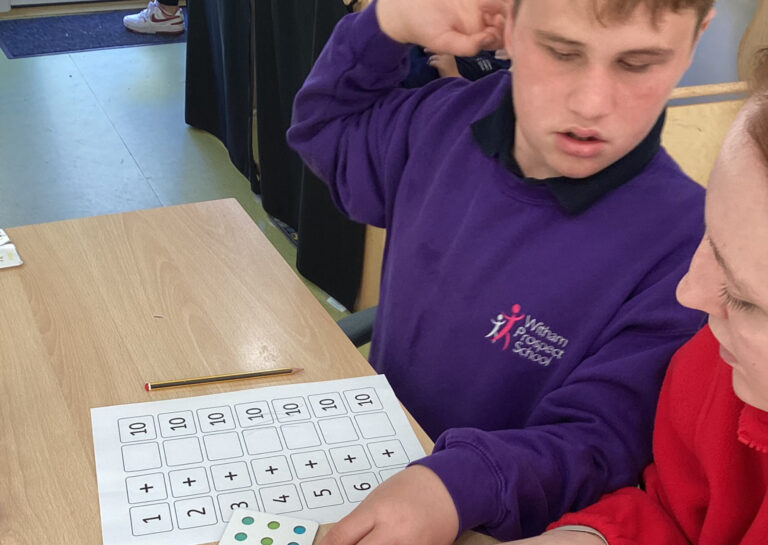
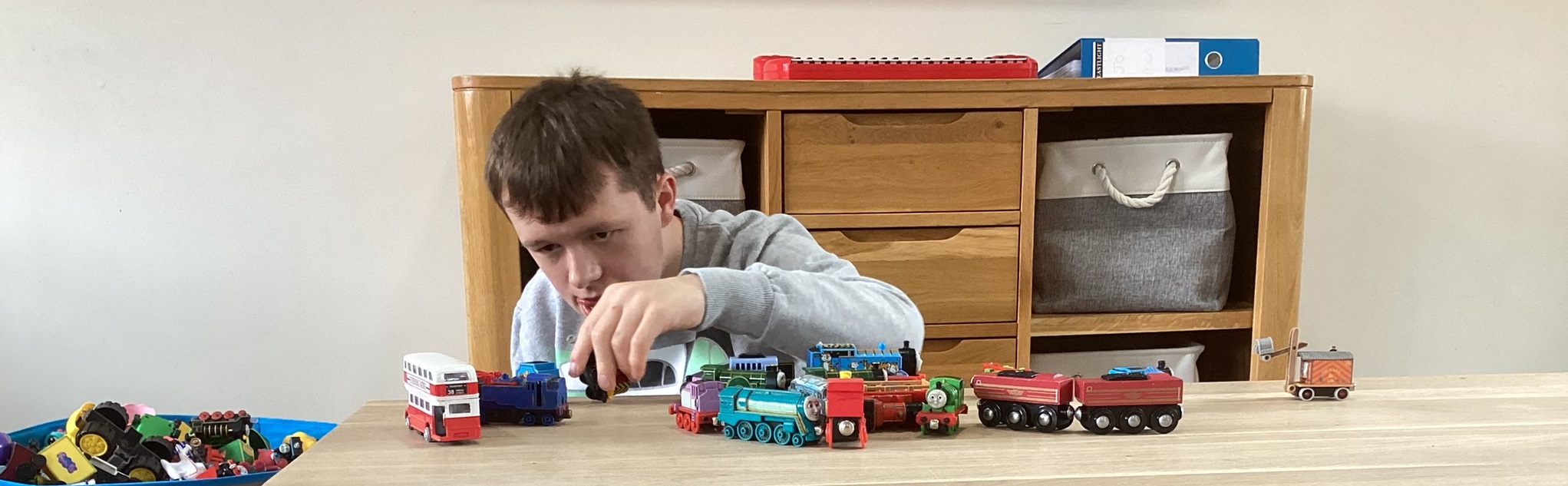
We believe in fostering a love of learning and intellectual curiosity. Our curriculum is designed to stimulate cognitive development, promote critical thinking, and encourage a lifelong passion for education
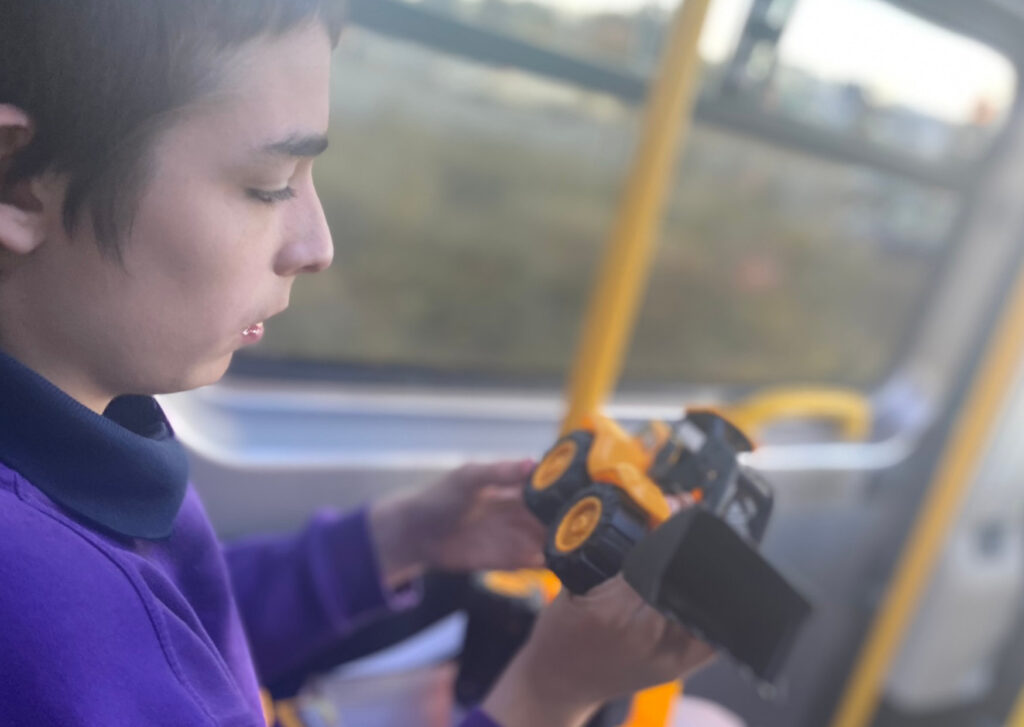
Our Approach to Cognition and Learning
- Individualised Support: We tailor our teaching methods to meet the individual needs of each child and young person.
- Engaging Curriculum: We use a variety of teaching strategies and resources to make learning engaging and relevant.
- Positive Reinforcement: We provide positive reinforcement and encouragement to motivate children and young people and build their confidence.
- Collaborative Learning: We foster a collaborative learning environment where children and young people can work together and learn from each other.
By focusing on cognition and learning, we are equipping our children and young people with the tools they need to succeed academically and in life.