Residential
Living at Witham Prospect School
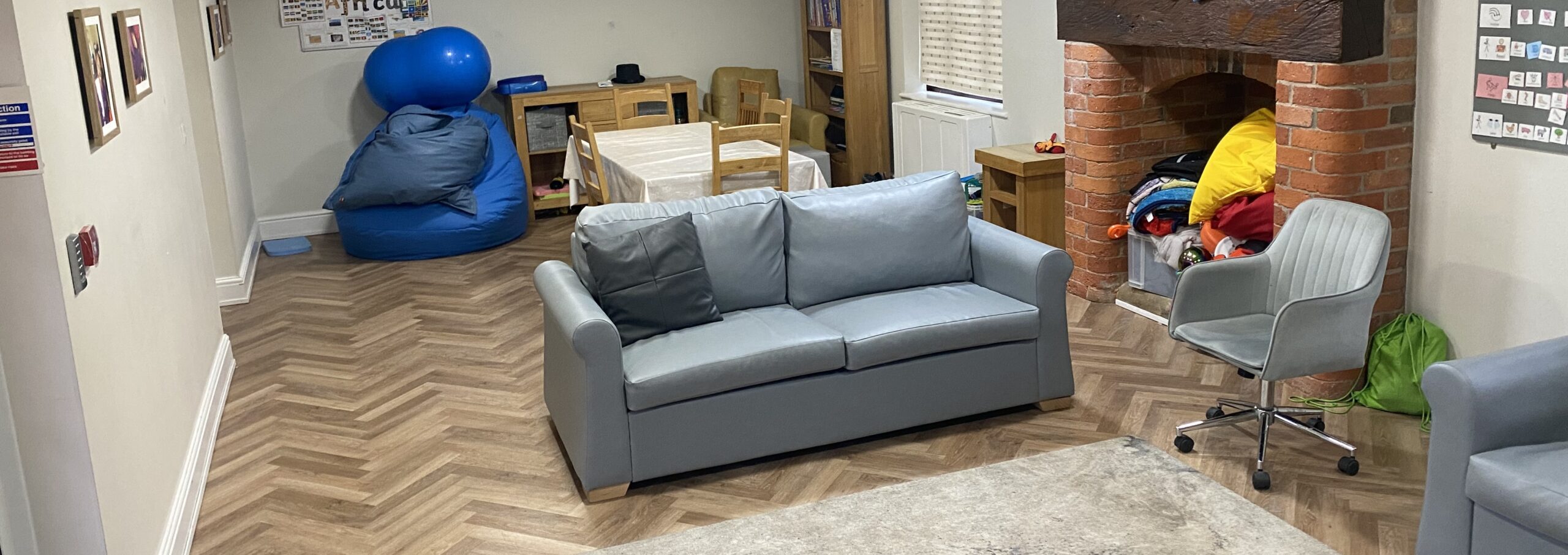
At Witham Prospect School, we understand that for many of our children and young people, school is more than just a place of learning; it's a home away from home. Our residential care program is designed to provide a safe, nurturing, and supportive environment where our children and young people can thrive.
We encourage our children and young people to participate in daily living activities, such as:
- Personal care: Encouraging individuals to engage in personal hygiene routines, including showering, dressing, and grooming, with appropriate support.
- Domestic tasks: Providing opportunities to learn basic cooking, cleaning, and laundry skills.
- Meal preparation: Involving our children and young people in meal planning and preparation, fostering healthy eating habits and developing essential life skills.
- Budgeting and financial management: Teaching about budgeting, managing money, and making informed financial decisions.
We also encourage our children and young people to make choices and decisions about their daily routines whenever possible. This may include selecting activities, choosing their own clothes, and participating in decision-making processes within the residential setting. By providing a supportive and encouraging environment that fosters independence, we aim to equip everyone with the skills and confidence they need to live fulfilling and independent lives.

We offer a range of residential care options to meet the individual needs of our children and young people. Our residential care provides a safe, nurturing, and supportive environment where children and young people can thrive.
Experienced and Dedicated Staff
At Witham Prospect School, our residential care is delivered by a team of highly trained and experienced professionals. We understand that building strong, trusting relationships is fundamental to providing the best possible care. Our staff are dedicated to supporting each child’s individual needs and fostering a warm and welcoming environment.
Our team includes experienced residential care workers, many of whom have extensive experience working with children and young people with complex needs, including autism spectrum conditions and other learning difficulties. They possess a deep understanding of the challenges faced by our children and young people and are equipped to provide the necessary support, guidance, and encouragement.
We prioritise ongoing professional development for all our staff. This includes regular training sessions on topics such as:
- Child protection and safeguarding
- Autism spectrum conditions and other learning difficulties
- Communication and interaction skills
- Positive behaviour support
- De-escalation techniques
- First aid and emergency procedures
This commitment to ongoing learning ensures that our staff are equipped with the latest knowledge and skills to provide the highest quality of care to our children and young people.
Furthermore, our staff are dedicated to building strong, positive relationships with each individual. They strive to create a nurturing and supportive environment where everyone feels valued, respected, and understood.
We believe that a strong and dedicated staff team is essential to providing the best possible residential care for our children and young people.
"A home away from home where every child matters."
Individualised Support
At Witham Prospect School, we recognise that each child and young person is unique and has individual needs and preferences. We embrace a Positive Behaviour Support (PBS) framework. This approach focuses on understanding and addressing the underlying reasons for challenging behaviour. We are committed to providing personalised support that meets the specific needs of each individual.
We work closely with the children and young people, their families, and other professionals to develop personalised support plans. These plans outline:
- Individual goals: Academic, social, emotional, and personal goals for each person.
- Support needs: Specific support needs in areas such as communication, behaviour, and personal care.
- Preferred methods of support: Individualised approaches that best meet the child and young person’s needs and preferences.
Our staff are trained to deliver individualised support effectively. This includes:
- One-to-one support: Providing individualised attention and support when needed.
- Person-cantered approaches: Focusing on the individual's strengths, interests, and preferences.
- Positive behaviour support: Using positive reinforcement and other behaviour management techniques.
- Sensory support: Providing appropriate sensory input to support well-being.
We regularly review and update each individual’s support plan to ensure it continues to meet their evolving needs. This collaborative approach ensures that each child and young person receives the support they need to thrive.
"Where individual needs are met with compassion and understanding"



At Witham Prospect School, we believe that strong relationships are the foundation of exceptional care. We prioritise building positive and nurturing connections with each child and young person, their families, and the wider community.
Our staff are dedicated to building meaningful relationships with each person. They strive to understand each child and young person’s individual needs, interests, and personalities. This involves spending quality time with each individual, engaging in meaningful conversations, and showing genuine care and compassion.
We foster an environment where everyone feels valued, respected, and understood. We encourage open and honest communication, and provide a safe space for our children and young people to express their feelings and concerns.
Regular family meetings and open communication channels ensure that families are actively involved in their child's care. We work closely with families to understand their child's needs and preferences, and to ensure a smooth transition between home and school.
We also encourage positive peer relationships among each other. We provide opportunities for our children and young people to interact and socialise, fostering a sense of community and belonging within the residential setting.
By prioritising strong relationships, we create a supportive and nurturing environment where children and young people can thrive emotionally, socially, and academically.