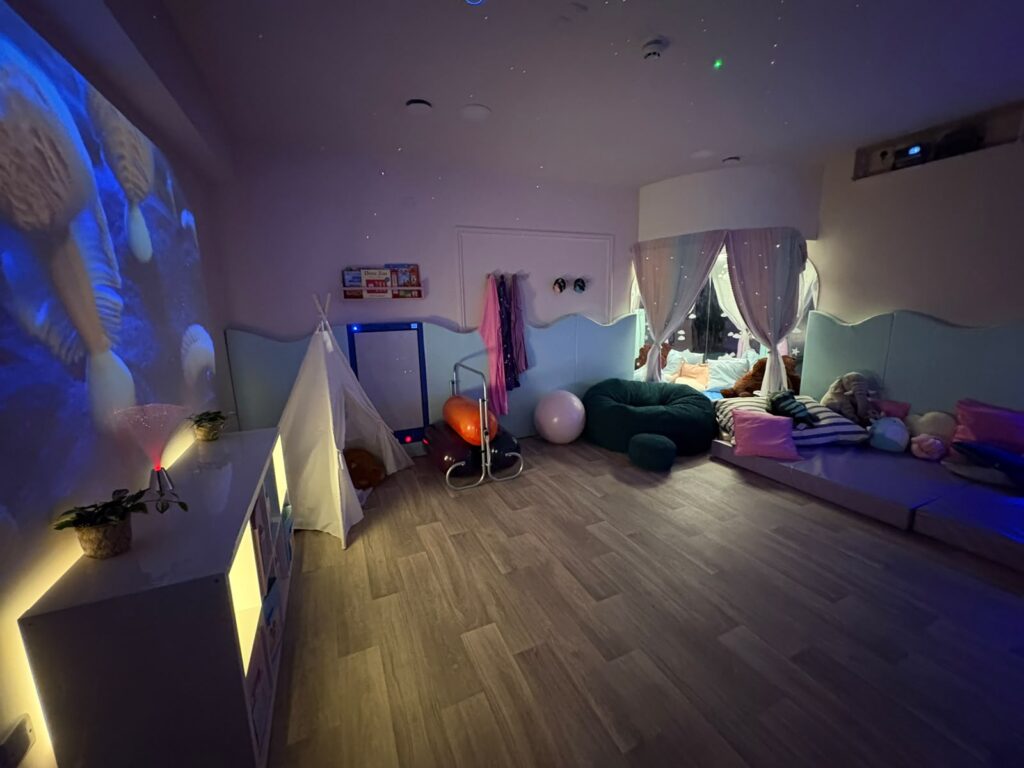
Reimagining Our Sensory Space with Our Young People
At Witham Prospect School, sensory spaces are a vital part of daily life. However, even the most well-intentioned spaces need to adapt to the real-world needs of the young people who use them.
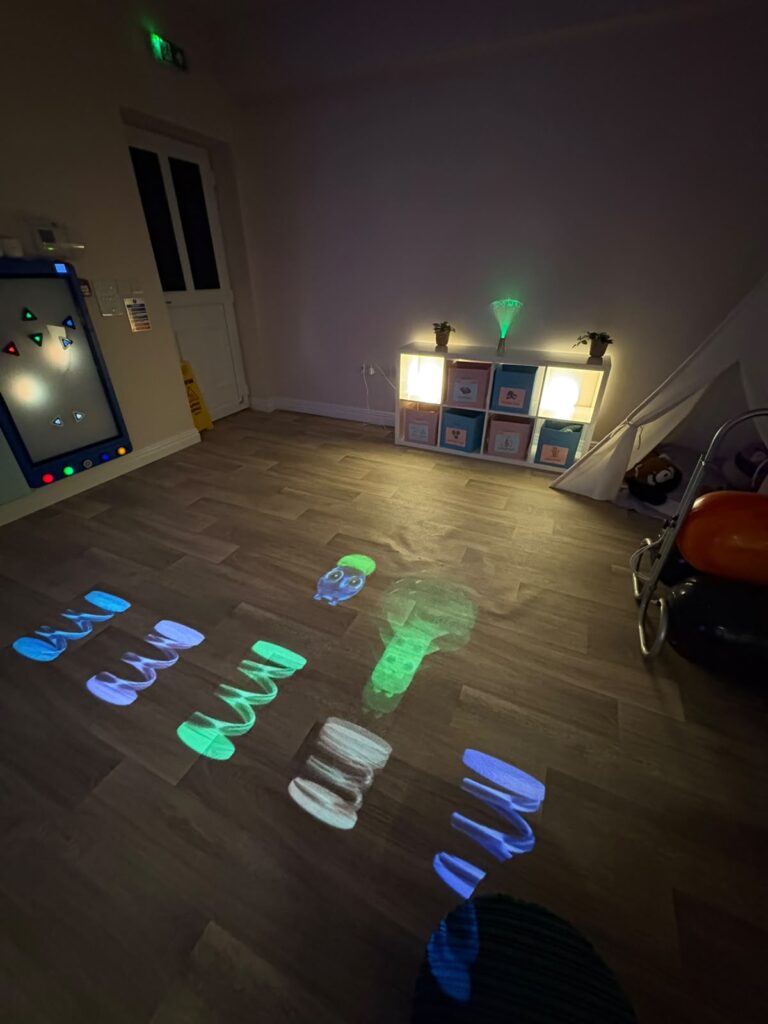
Recently, our care and therapy teams noticed that our sensory room wasn’t being used as much as we hoped. When we took a closer step back to evaluate why, the answer was clear: the space was simply too crowded. With thick floor padding and large equipment taking up almost every square inch, there wasn’t enough clear floor space for our children and young people to comfortably move, relax, or engage in meaningful activities.
So, we did what lies at the very heart of our ethos – we asked our young people what they wanted.


Student Voice & Independent Choice in Action
Exercising Individual Liberty and self-advocacy is a fundamental learning goal for our children and young people. By giving them total creative control over the redesign, our young people made clear, deliberate choices about how they wanted their environment to look, feel, and function:
- A Dedicated Calming & Relaxation Sanctuary: Our young people requested a space built purely around unwinding and feeling safe.
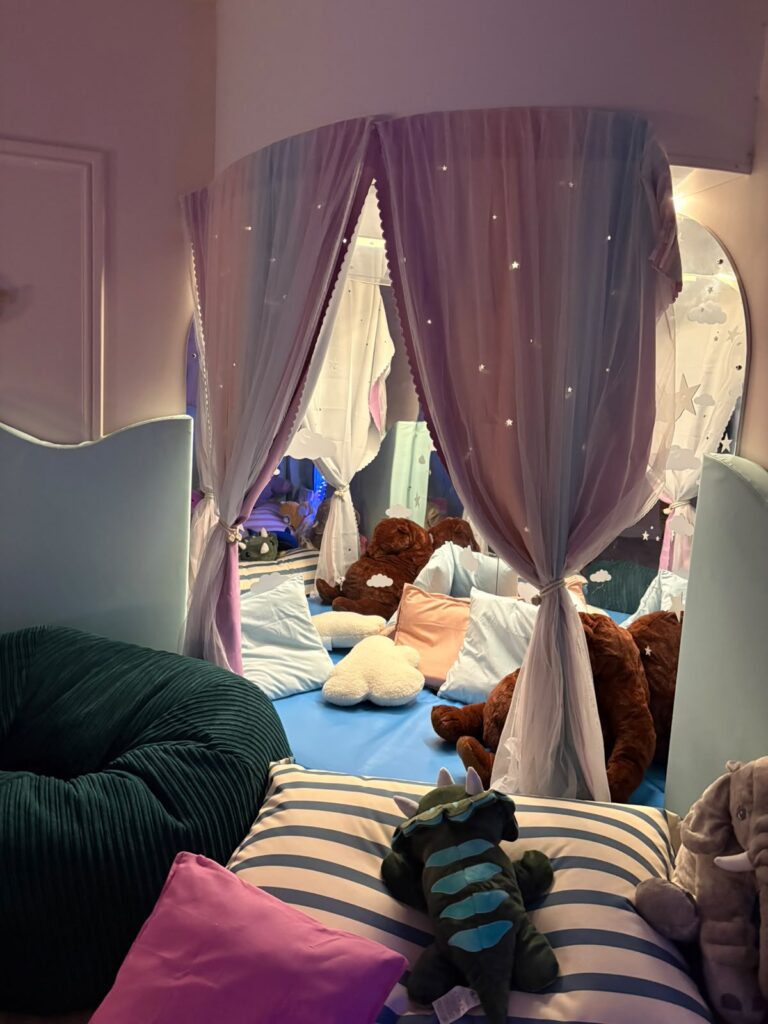
- Cosy Seating & Visuals: They chose comfortable beanbags and a high-quality projector to watch soothing imagery and their favourite shows.
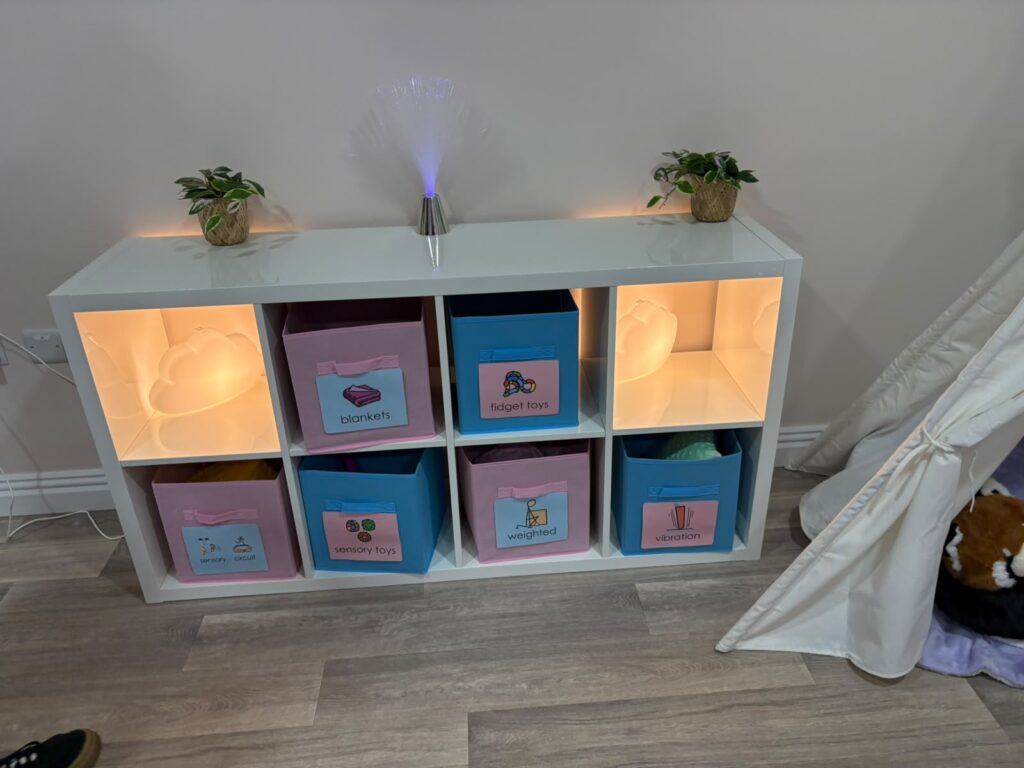
- Tactile Engagement: They asked for a wide selection of fidget toys and accessible sensory tools.
Listening to their feedback allowed us to completely reframe how we utilize space across our entire service.
Alerting vs. Calming: Streamlining Our Environments
To make the new design work seamlessly, we clearly separated our sensory spaces based on occupational therapy principles:
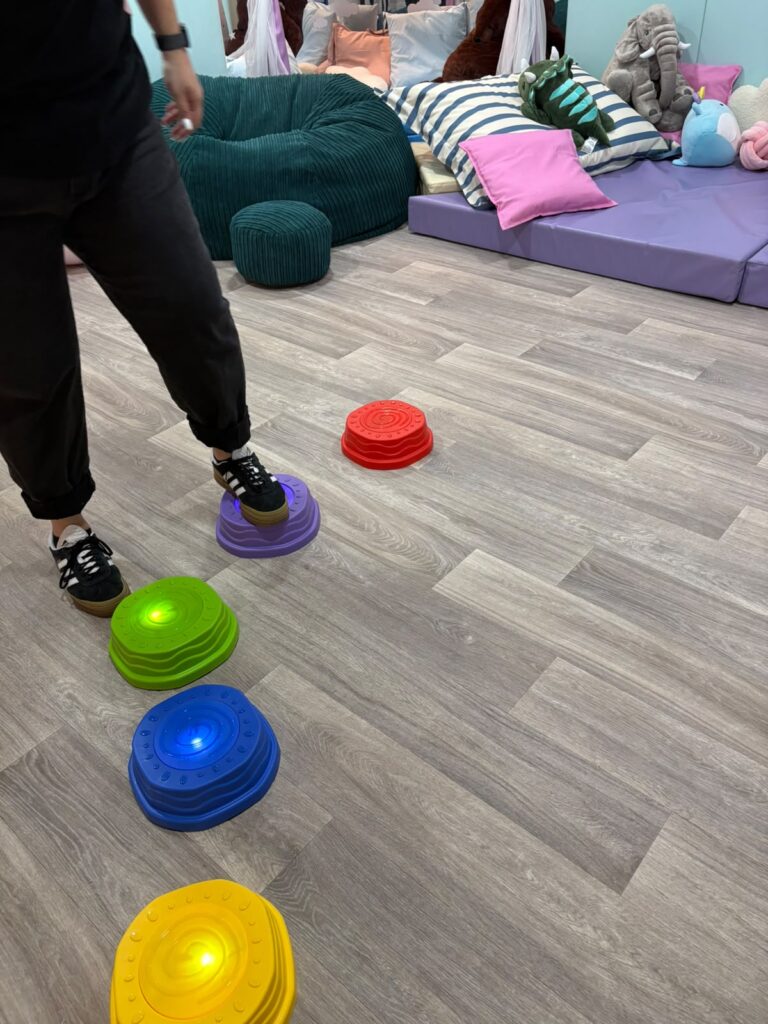
- The Soft Play Area (The Alerting Space): Our soft play area is now dedicated entirely to high-energy, alerting physical activities where students can burn off steam, jump, and stimulate their motor systems.
- The Sensory Room (The Calming & Organizing Space): By removing the bulky floor pads, we opened up plenty of floor space, turning this room into an organizing, low-arousal haven designed for regulation, debriefs, and relaxation.
For non-verbal and verbal learners alike, shared physical play bypasses communication barriers completely. It allowed our young people to practice taking turns, sharing space, and engaging in spontaneous, joyful interactions with their peers and care teams.
Multi-Purpose Interventions & Residential Living
With the new, open floor plan, the sensory room can now be booked out for structured 1-to-1 sessions while remaining an inviting space. It now hosts:
- Therapy & Sensory Circuits: Clear floor space allows occupational therapy, sensory circuit routines, and physical interventions to take place without obstruction.
- Debriefs & Sensitive Work: A predictable, peaceful setting for staff to conduct 1-to-1 debriefs or help children complete sensitive learning tasks when they need a quiet environment.
- Movie Nights & Socialising: On evenings and weekends, it transforms into an extra residential lounge where young people can hang out with staff and friends, sink into beanbags, and watch movies on the projector.
Tailored Sensory Tools & A Hidden Sanctuary
Every detail in the room has been selected to support diverse sensory profiles and emotional needs:
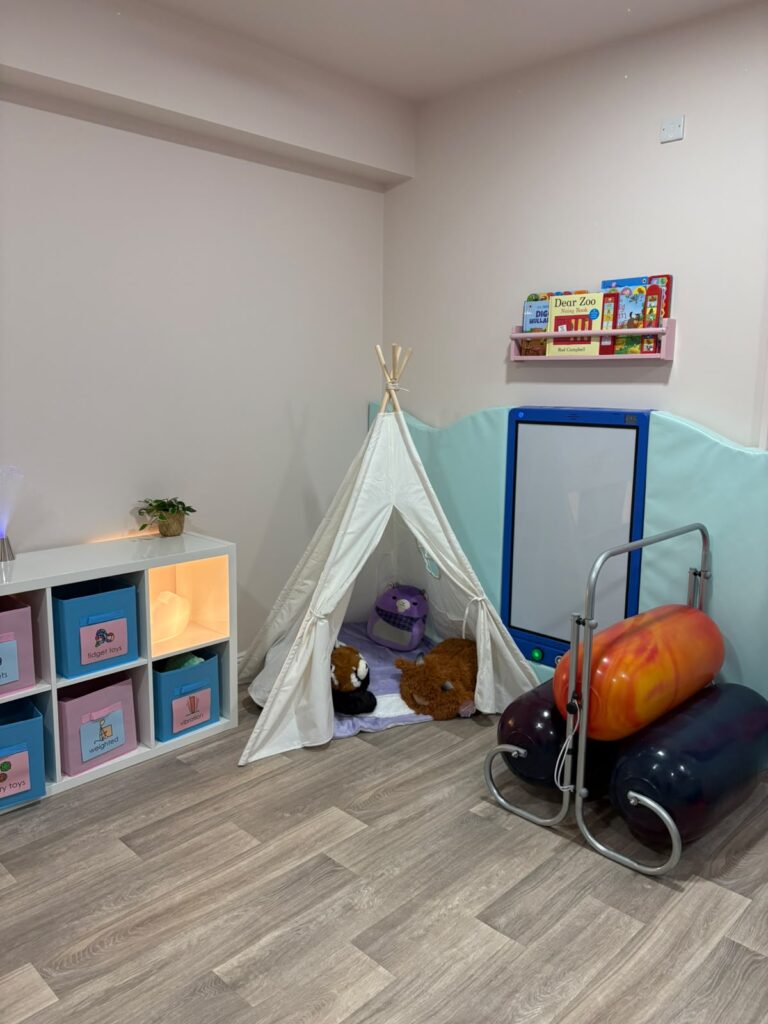
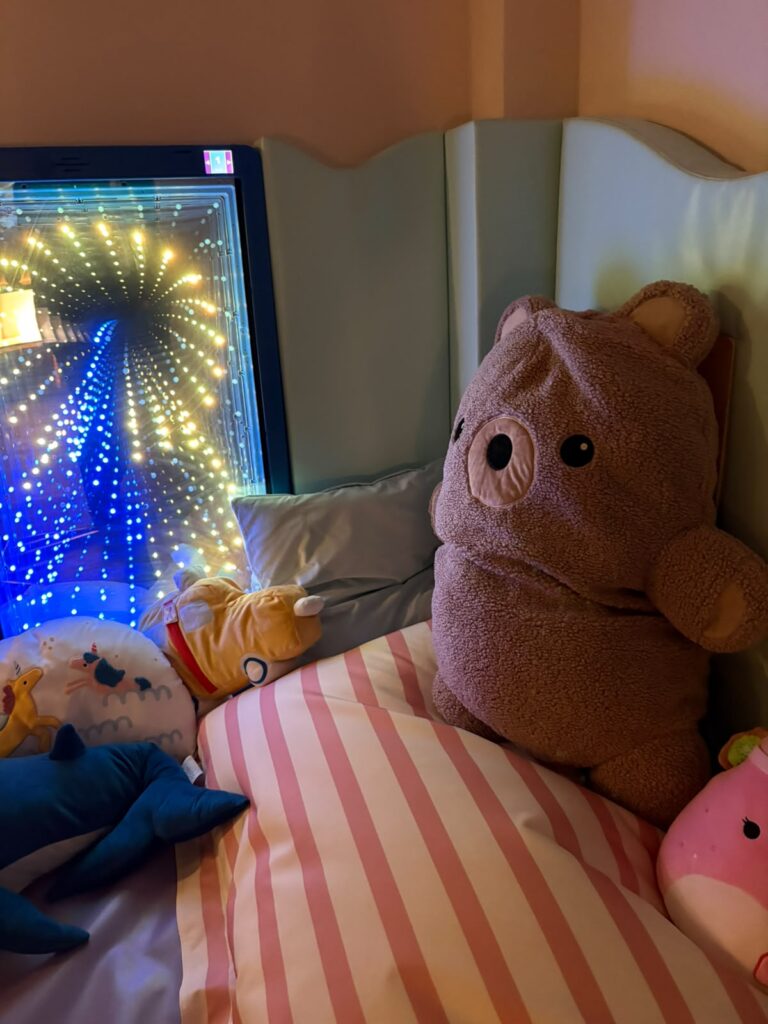
- The Hideaway Corner: For moments when a child feels anxious or overstimulated, we built a private, secluded corner. It offers a safe, sheltered sanctuary where they can retreat and regain a sense of security at their own pace.
- Regulation Equipment: The room is fully stocked with deep-pressure and tactile tools, including sensory socks, weighted blankets, lap pads, compression gear, vibration equipment, ear defenders, and classic cause-and-effect toys.
- A Mini Library: A cosy reading nook filled with our young people’s favourite books, offering a wonderful space for staff to read alongside them and share quiet stories.
By involving our young people in the design process, we’ve transformed a little-used room into a bustling, highly functional, and deeply comforting sanctuary. It stands as a true testament to what happens when we listen to the child’s voice and design environments with our young people, rather than just for them!