Beyond Picky Eating: Nurturing Positive Eating Habits with Sensory Strategies and Food Chaining
At Witham Prospect School, we understand that mealtimes can be a significant challenge for some young people, often going beyond what’s commonly understood as ‘picky eating’. Our approach to food-based support is rooted in compassionate, individualised strategies that address underlying sensory needs and gradually expand food repertoires. This includes methods like sensory processing strategies and a technique called ‘food chaining’.
Understanding the ‘Why’ Behind Food Challenges
Many eating difficulties stem from sensory sensitivities (texture, smell, taste, appearance of food) or anxieties around trying new things. Our first step is always to observe mealtime behaviours to identify patterns of avoidance or preferences. This helps us understand the unique sensory profile of each young person and why certain foods are challenging.
Sensory Processing Strategies at Mealtime
We integrate sensory accommodations to create a more comfortable eating environment. This might include:
- Providing sensory accommodations: Such as weighted lap pads, chewing tools, or preferred seating to help a child regulate their body and focus.
- Calming sensory strategies: Utilising deep pressure before meals to help the child feel more grounded and ready to eat.
- Identifying stressors: Understanding what triggers mealtime battles allows us to create a more supportive atmosphere.
Introducing New Foods with ‘Food Chaining’
Food chaining is a gentle, gradual approach to expanding a child’s diet. It works by identifying foods a young person already accepts (“safe foods”) and then finding shared sensory characteristics between accepted and new foods. The goal is to introduce foods with small, manageable modifications, building on success rather than forcing intake.
Here’s how food chaining works in practice:
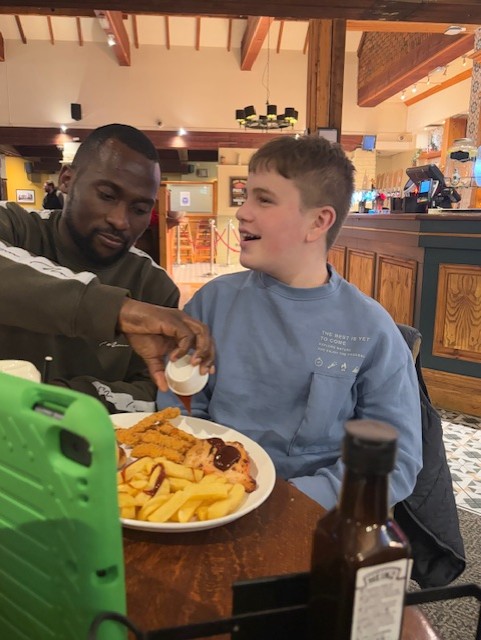
Sensory Bridging: We might use techniques like dipping a preferred food into a new food to encourage interaction without pressure to eat the new food entirely.
Start with Safe Foods: Begin with foods the young person already eats and enjoys.
Small Modifications: Introduce new foods that are very similar to the safe food, with only a slight change. For example, if a child eats chicken nuggets, we might gradually introduce homemade chicken nuggets, then baked chicken, and then grilled chicken.
Gradual Exposure to Textures: If a child eats smooth yogurt, we might transition to yogurt with fruit bits, then soft fruits, slowly increasing exposure to different textures.
Beyond the Plate: Holistic Support
Our strategies extend beyond just the food itself:
- Graded Exposure: We use graded exposure to desensitise aversions, starting with non-eating interactions like touching or smelling food before tasting.
- Involving the Child: Empowering young people by involving them in food preparation, allowing them to touch, smell, and explore food before eating it.
- Predictable Routines: Creating a consistent mealtime structure helps build comfort and predictability.
- Positive Modelling: Encouraging staff and peers to model positive food behaviours by eating the same foods.
- Tracking Progress: We keep a food exposure log to monitor progress and celebrate small victories.
- Regular Reviews: Child’s eating habits are reviewed regularly, and the sensory hierarchy is adjusted as the child becomes more tolerant.
By combining sensory processing strategies with the gentle progression of food chaining, we aim to make mealtimes a positive, less stressful experience, helping our young people develop a more varied and balanced diet for their overall health and well-being.