Creating a World that Fits: 5 Tips for Autism-Friendly Environments
At Witham Prospect School, we often say that we shouldn’t ask autistic young people to change to fit the world; instead, we should change the world to fit them. Creating an environment that feels safe, predictable, and respectful is the key to unlocking potential and reducing anxiety.
Whether in our residential “home away from home” or out in the local community, here are five practical ways we build autism-friendly spaces—and how you can too.


1. Prioritise Predictability
Anxiety often stems from the unknown. For many autistic individuals, knowing what is happening next is essential for feeling secure. We use visual schedules and “Now and Next” boards to provide a clear roadmap of the day. At home, even a simple written list or a sequence of photos on the fridge can help make transitions between activities much smoother and less stressful.
2. Create “Low-Arousal” Zones
The world can be incredibly loud, bright, and overwhelming. We ensure our environments have dedicated “quiet spaces” where sensory input is minimised—think soft lighting, neutral colours, and a reduction in background noise. Having a designated “safe zone” where a young person can go to decompress without demands is one of the most effective tools for emotional regulation.
3. Use “Total Communication”
Communication is about much more than spoken words. We embrace a “Total Communication” approach, which means valuing every way a child and young person expresses themselves—whether through Makaton signs, PECS (Picture Exchange Communication System), body language, or high-tech AAC devices. By providing visual supports alongside speech, we reduce the “processing load” and help ensure the individual feels truly heard and understood.


4. Consider Sensory Needs
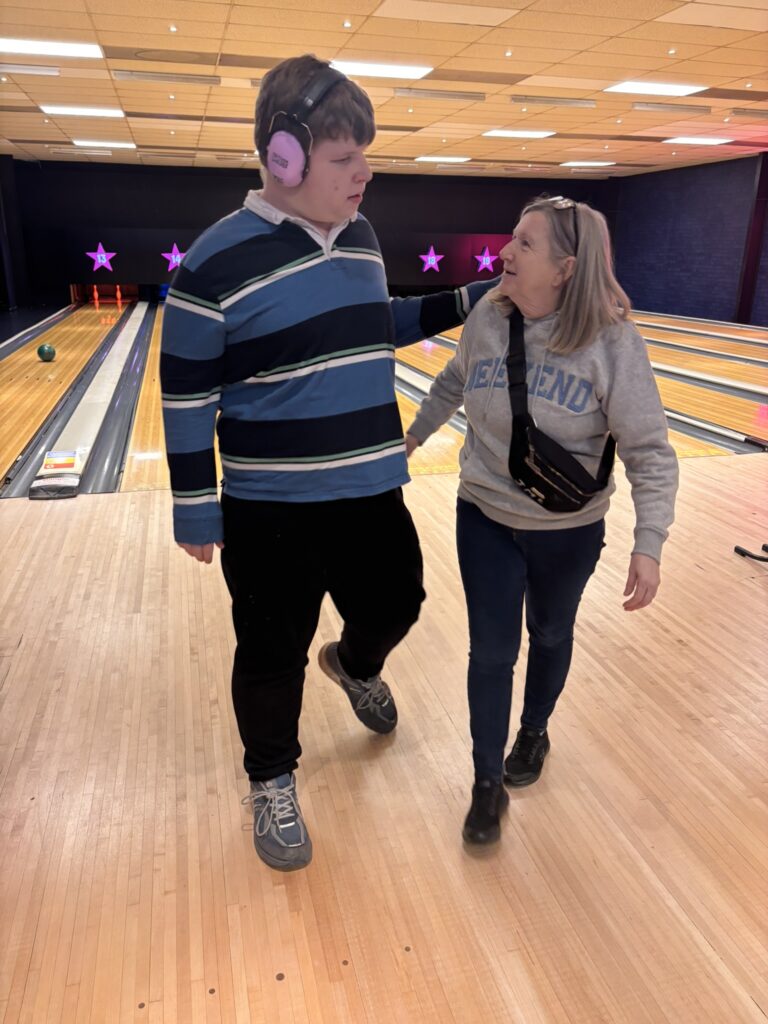
Every autistic person has a unique sensory profile. Some may be hypersensitive (over-responsive) to certain sounds or textures, while others may be hyposensitive (under-responsive) and seek out extra sensory input. We design our spaces with this in mind, offering “sensory kits” that might include noise-canceling headphones, weighted blankets, or fidget tools. Understanding someone’s sensory “likes and dislikes” is a huge step toward making them feel comfortable.
5. Foster Individual Liberty and Choice
Independence is built on the power of choice. We look for every opportunity to let our young people lead—whether it’s choosing which jumper to wear, which snack to eat, or which activity to do first. By offering clear, visual choices, we empower our children and young people to exercise their Individual Liberty, building the confidence they need to navigate the wider world on their own terms.



A Community of Acceptance
Building an autism-friendly environment isn’t just about the physical space; it’s about the attitude of the people within it. At Witham Prospect School, Mutual Respect is at the core of our values. When we approach every interaction with patience, empathy, and a desire to understand the individual’s perspective, we create a world where everyone belongs.